

Living in Connellsville means dealing with a full range of weather conditions. From hot summers to icy winters, your vehicle needs to be prepared for everything. One of the most common questions we get at Ralph Shaffer Tire Service is whether a driver can stick with all-season tires year-round or if they need to switch to dedicated winter options. Understanding the difference is crucial for your safety and comfort.
The Capabilities of All-Season Tires
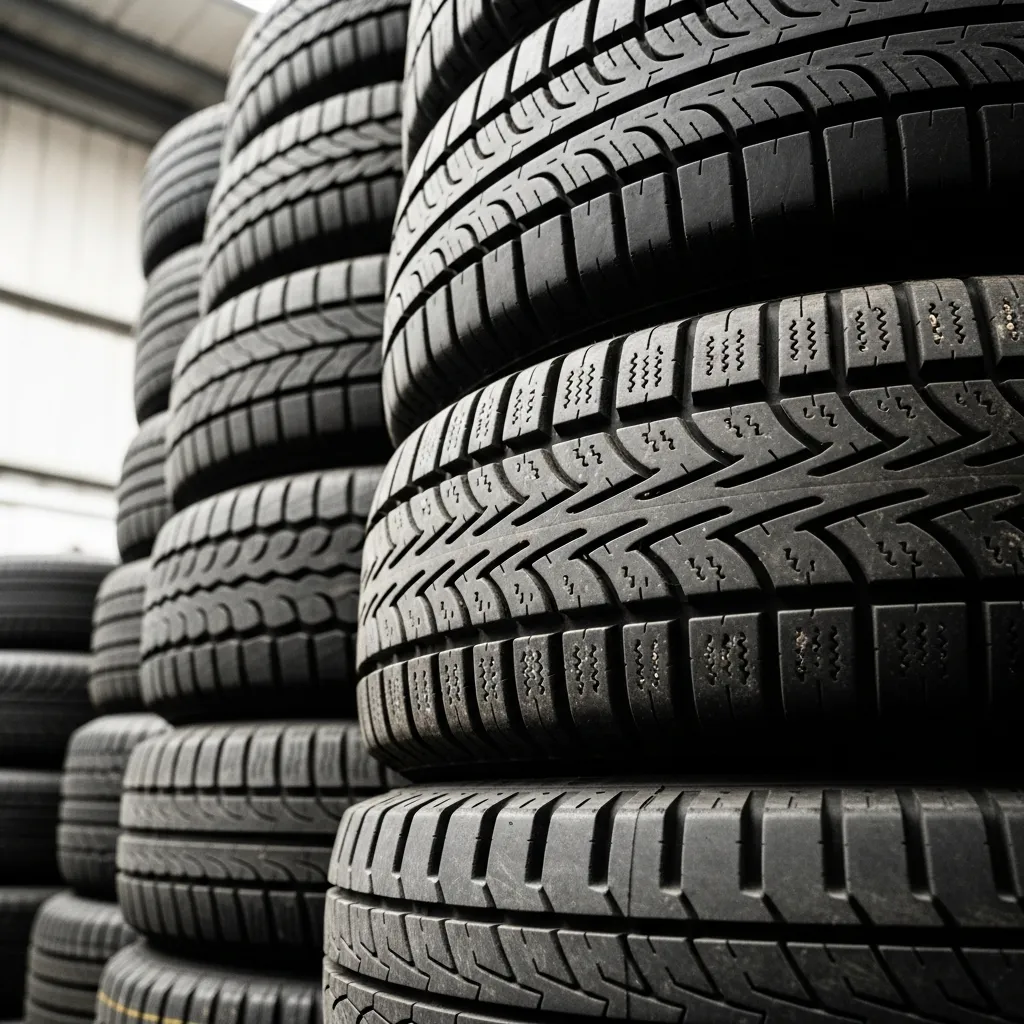
For many drivers, all-season tires are the convenient choice. They are designed to handle a variety of road conditions, including dry pavement, wet roads, and very light snow. They offer a quiet ride and decent tread life. If you are looking for tires for sale that offer versatility without the need for biannual changeovers, these are a solid option. However, the rubber compound in these tires creates a compromise. It hardens when temperatures drop significantly, which can reduce traction on ice.
When to Switch to Winter Tires
When the temperature consistently drops below 45 degrees, standard rubber compounds stiffen up. This is where the best winter tires shine. They are made with specialized hydrophilic rubber that stays flexible in freezing temperatures, allowing the tread to grip the road surface better. They also feature specific tread patterns designed to channel slush and snow away from the contact patch. If you frequently drive early in the morning or late at night when black ice is prevalent, winter tires are a safety upgrade worth considering.
We Help You Decide
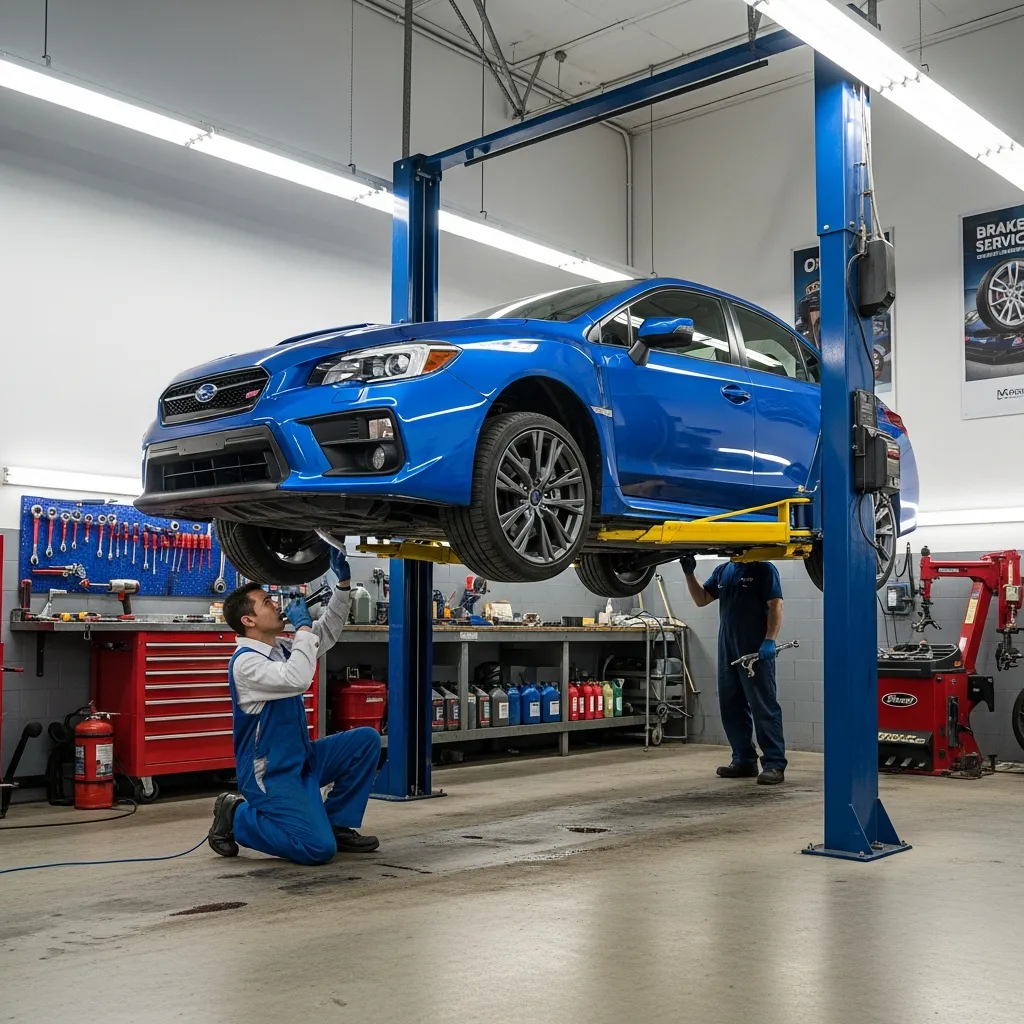
Choosing between these options depends on your driving habits and budget. If you are searching for a tire shop to help guide you through the pros and cons, we are here to assist. We can look at your daily commute and help you find the perfect match for your car, truck, or SUV.